Sea Safety

Cold water deserves respect

Portree harbour · next 7 days

Tide watch

Use this graph to understand predicted water levels beside the sauna—not to decide whether the sea is safe. It does not show wind, currents, temperature, visibility, water quality or harbour activity.

Reading the tide…

Source: FES2022 via TidesAtlas. Heights are metres above Lowest Astronomical Tide; times shown in UK local time.

Indicative curve between official high/low events. For planning only—not for navigation or sea-swimming safety decisions.

Essential warning

A sauna booking does not mean the sea is safe

Portree Sauna staff are not lifeguards and do not continuously supervise swimmers. Sea entry is optional, unsupervised and entirely at your own risk. If the water, weather, access or your own body does not feel right, do not enter—or get out immediately.

Before entering

Stop. Look. Plan.

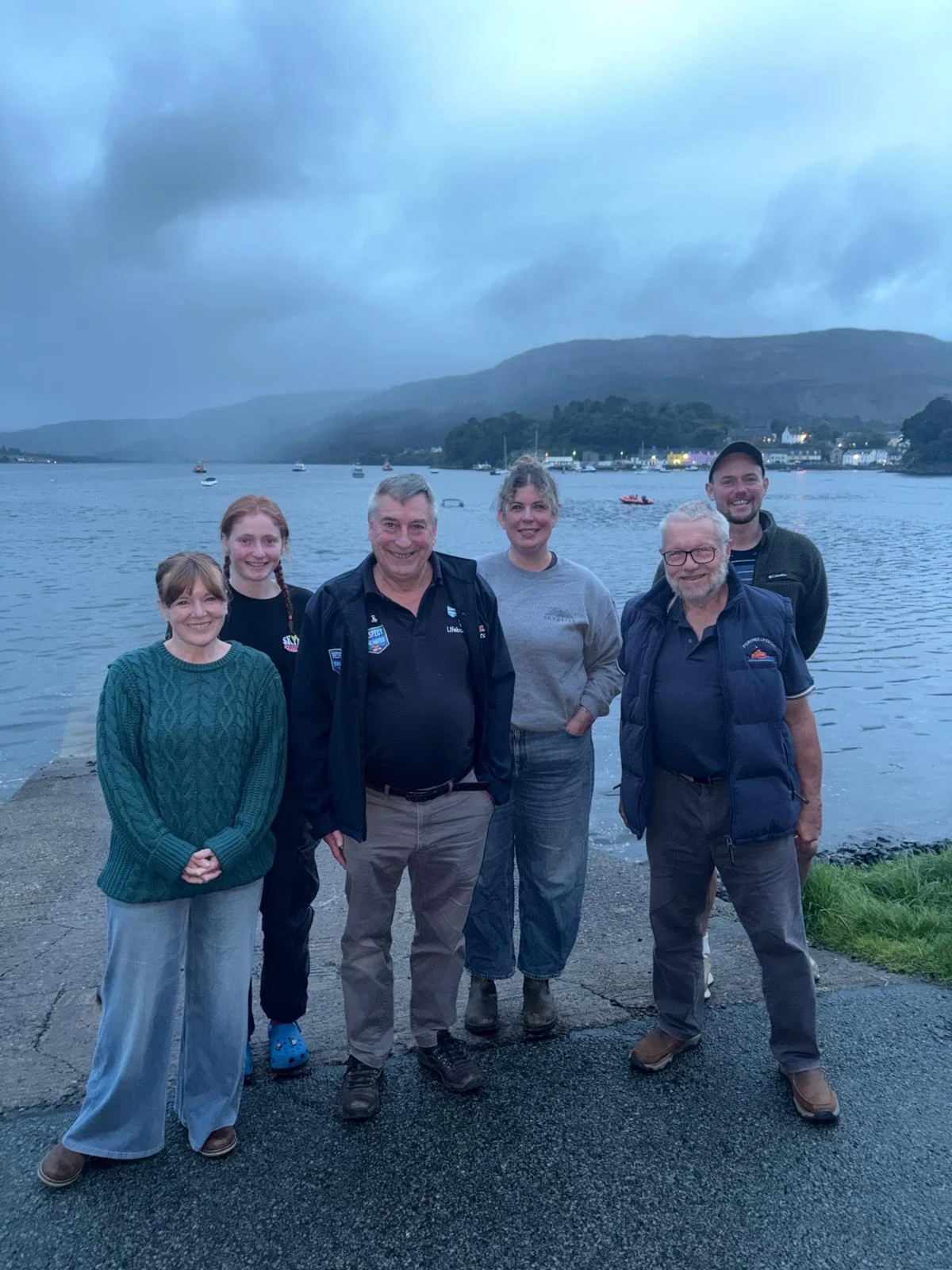
The dip starts from the slip beside Portree Sauna at Skye Sailing Club. Plan the same simple route in and out, stay close to it and keep each dip conservative.

Guidance adapted from the RNLI and NHS Inform.

  1. 1Dip with another sauna guest and agree to watch each other in and out of the water.
  2. 2Check the weather, wind, tide, currents, visibility and visible harbour activity.
  3. 3Use the Skye Sailing Club slip to enter and exit; walk down it gradually rather than jumping in.
  4. 4Stay aligned with the line of the slip. It extends a long way under the water and provides the clearest route back out.
  5. 5Treat this as a short dip beside the sauna—not a swim across Portree Harbour.
  6. 6Pause after leaving the sauna and make sure you feel steady before entering the sea.
  7. 7Do not enter after alcohol or drugs, during or after storms or heavy rainfall, or if you feel unwell.

Cold-water shock

Heat does not remove cold shock

How cold the sea feels is personal and changes with conditions, health, experience and how long you have been exposed. Even after a hot sauna, sudden immersion can trigger an involuntary gasp, rapid breathing, panic and loss of effective movement.

Step down the slip gradually. Keep hold of your breathing before going deeper, stay close to the submerged line of the slip and turn back while you still feel steady. Do not jump or dive from the slip.

If you are new to cold-water swimming or have health concerns, seek advice from an appropriate healthcare professional before taking part.

If the water catches you out

Float first

Cold-water shock creates a powerful urge to struggle. Floating protects your airway and gives your breathing time to settle before you decide what to do next.

  1. 1

    Stop fighting

    Fight the instinct to thrash or swim hard.

  2. 2

    Lean back

    Put your ears in the water and keep your airway clear.

  3. 3

    Spread out

    Extend your arms and legs; gentle movements are enough.

  4. 4

    Catch your breath

    Float until your breathing is controlled—often 60–90 seconds.

  5. 5

    Call or move

    Once calm, call for help or move to safety if you can.

Coastal emergency

Call 999 or 112. Ask for the Coastguard.

If someone else is in difficulty, do not enter the water yourself. Call for help, tell them to float, and throw a lifeline or flotation aid if one is available.

While in the water

Keep the exit close

Keep the dip close to the Skye Sailing Club slip and stay aligned with its submerged line. Keep checking the route back out, your buddy, wind direction, harbour traffic and how your hands and breathing feel. Do not turn a cooling dip into a swim across the harbour.

Leave immediately with:

  • Distress or panic that is not settling
  • Unusual breathlessness or loss of breathing control
  • Numbness, weakness or loss of hand function
  • Confusion, poor coordination or difficulty speaking clearly
  • Drifting away from the line of the slip or losing your clear route out

After the water

Reset before reheating

Coming out of the water is part of the dip. Move carefully, settle your breathing and only start another sauna round when you feel steady and well.

  • Walk back up the slip carefully; wet stone and the waterfront can be slippery.
  • Pause outside and make sure your breathing and balance are settled.
  • Tell your buddy or the Portree Sauna team immediately if you feel unwell.
  • Return to the sauna gradually—do not chase the most extreme hot-cold contrast.
  • After your final dip, dry off and dress promptly in warm layers.

Aftercare guidance: NHS Inform.

Common questions

Before you dip

Is sea swimming part of my sauna booking?

No. Entering the sea is optional and unsupervised. You can cool down outside or use the available shower instead.

Where should I enter the water?

Use the Skye Sailing Club slip beside the sauna. Walk down gradually and stay aligned with the line of the slip, which extends a long way under the water and gives you the clearest route back out.

Do I need to swim?

No. Treat the sea as an optional short dip between sauna rounds. Stay close to the slip and do not swim across Portree Harbour.

Is there a lifeguard?

No. Portree Sauna staff operate the sauna but are not lifeguards and do not continuously supervise swimmers.

Does a safe-looking tide mean it is safe to swim?

No. Tide height is only one factor. Wind, currents, waves, temperature, visibility, water quality, harbour activity and your own health and ability also matter.

How long should I stay in?

There is no single safe duration. Conditions, health and experience all matter. Keep the dip close to the slip and get out while your breathing, movement and judgement still feel controlled.

Plan the whole visit

Arrive ready

Read what to bring, arrival guidance, facilities, sauna safety, refunds and the day-before checklist.

Visitor info & FAQs

Safety sources

This page provides general safety information, not medical advice or a live assessment of conditions. You remain responsible for deciding whether entering the water is appropriate for you.